Planning an adventure vacation is exciting, but it can also feel a little overwhelming. Unlike a standard city break or resort stay, an adventure-focused trip often involves more moving parts: weather, gear, activity bookings, transportation, fitness levels, safety considerations, and sometimes remote locations where services are limited.
The key is to plan enough that your trip feels smooth and safe, while still leaving room for spontaneity, discovery, and those unexpected moments that often become the best memories. Whether you’re dreaming of whitewater rafting, mountain biking, kayaking, hiking, climbing, wildlife watching, or a multi-activity trip, the right preparation can help you get far more out of the experience.
Here’s how to plan the perfect adventure vacation from start to finish.
Heads Up! Some links in this post are affiliate links, which earn us a small commission at no extra cost to you. No pressure to use our links, but we REALLY appreciate it when you do!
Research Locations Carefully
Before you get too attached to one destination, take time to research whether it truly fits the kind of adventure vacation you want. Some places are known for high-adrenaline activities, while others are better suited for soft adventure, scenic exploration, family-friendly outdoor experiences, or guided wilderness trips.
Start by thinking about the type of landscape you want to experience. Are you looking for mountains, rivers, forests, coastline, desert, glaciers, or remote backcountry? Then consider how accessible the destination is. A place may look incredible online, but if it requires several transfers, specialized transportation, or a lot of driving between activities, it may not be the right fit for a shorter trip.
You should also research the best time of year to visit. Adventure travel is often highly seasonal. Rivers may be best for rafting in spring or early summer, hiking trails may not open until snow melts, and some destinations may be affected by heat, wildfire smoke, heavy rainfall, or limited daylight depending on the season.
As you compare locations, look into:
- The main adventure activities available
- Seasonal weather patterns
- Travel times between accommodations and activities
- Local guiding companies and tour operators
- Skill or fitness requirements
- Safety considerations
- Whether you need permits, park passes, or advance reservations
This kind of research helps you avoid surprises and choose a destination that genuinely matches your trip goals.
Home in on Activities
Once you have a few possible destinations in mind, narrow your planning around the activities you most want to do. Adventure vacations are usually at their best when the activities shape the trip, rather than being added as an afterthought.
For example, if whitewater rafting is high on your list, you may want to choose a destination known for its river systems and experienced outfitters. A great example of this is Kootenay River Runners in British Columbia or Wilderness Tours on the Ottawa River in Ontario. It’s all about knowing what you’d like to do or ensuring there will be a range of adventurous activities available in the location you head to.
It’s also worth being honest about the intensity level you want. Not every adventure vacation has to be extreme. For some travelers, the perfect trip might involve guided hikes, scenic paddling, wildlife viewing, and a few active excursions. For others, it might mean technical mountain biking, multi-day rafting, climbing, or backcountry travel.
Before booking activities, check:
- Whether the activity is beginner-friendly or requires experience
- Minimum age, height, weight, or fitness requirements
- What equipment is provided
- Whether you need specific clothing or footwear
- Cancellation policies for bad weather
- How physically demanding the day will be
- Whether transportation is included
A good adventure itinerary should challenge you in a fun way, not leave you exhausted, stressed, or underprepared.
Looking for more Canada Adventure Travel inspiration? Check out these other posts:
Choose Guided vs. Self-Guided Experiences Carefully
One of the biggest decisions in adventure travel is whether to book guided activities or go self-guided. Both can be excellent, but they create very different types of trips.
Guided adventures are often the best choice when the activity involves technical skills, changing weather, remote terrain, wildlife considerations, or specialized equipment. A good guide does more than keep you safe. They can help you understand the landscape, choose the right route, adjust the pace, and get more meaning from the experience.
Self-guided adventures can be a great fit for experienced travelers who are confident navigating, assessing conditions, and managing their own gear. They also allow for more flexibility, especially if you like to move at your own pace.
For many trips, the best approach is a mix of both. You might book guided rafting, climbing, kayaking, or wildlife excursions, then leave other days open for independent hikes, scenic drives, local exploring, or easier outdoor activities.
Plan Your Itinerary Well
Once you’ve worked out the major details, you can start shaping the actual itinerary. This is where many adventure vacations either come together beautifully or become too packed to enjoy.
It can be tempting to fill every day with big activities, especially if you’re traveling somewhere exciting. But adventure travel takes energy. Early starts, physical exertion, gear prep, changing weather, and travel between locations can all add up. A trip that looks perfect on paper may feel rushed in reality if there’s no downtime built in.
A strong adventure itinerary usually balances:
- High-energy activity days
- Lower-key recovery days
- Travel or transition time
- Time for meals and rest
- Flexibility for weather changes
- Open space for spontaneous exploring
You may want to stick to one major activity per day, especially for physically demanding experiences like rafting, hiking, biking, or paddling. If you prefer a busy schedule, pair one bigger adventure with a lighter activity later in the day, such as a scenic viewpoint, local meal, hot springs visit, short walk, or relaxing evening by the water.
Make sure you factor in practical details too. Check how long it takes to drive between your accommodation and each activity. Confirm meeting times, parking instructions, what to bring, and whether there are food options nearby. Small logistics like these can make a big difference in how smooth the trip feels.
And if there are activities you absolutely don’t want to miss, book them in advance. Popular guided trips, national park permits, ferry crossings, campsites, lodges, and seasonal excursions can sell out quickly.
Build in Flexibility for Weather and Energy Levels
Adventure vacations are naturally more weather-dependent than many other types of travel. Rain, wind, river levels, snow conditions, trail closures, heat, or poor visibility from fog or smoke can all affect your plans.
Instead of seeing flexibility as a backup plan, build it into the structure of your trip from the beginning. Avoid scheduling your most important activity on the very last day if possible. That way, if weather causes a cancellation or delay, you may still have another opportunity.
It’s also smart to leave a little room for how you actually feel once you’re there. Maybe the first hike is harder than expected, or maybe you discover a local trail, beach, viewpoint, or small town you want more time to enjoy. A perfect adventure vacation isn’t always the one with the most activities. It’s the one that gives you enough structure to feel prepared and enough freedom to enjoy the experience fully.
Think Through Safety Before You Go
Safety planning doesn’t have to take away from the adventure. In fact, it often helps you relax and enjoy the trip more because you know you’re prepared.
If you’re heading into remote areas, make sure someone knows your general plans. Check whether you’ll have cell service, and consider downloading offline maps before you arrive. For self-guided activities, understand the route, expected conditions, turnaround points, and emergency options.
For guided trips, choose reputable operators with clear safety practices, experienced guides, and well-maintained equipment. Read through pre-trip information carefully so you know what is expected of you.
Depending on your destination and activities, you may also want to review your travel insurance. Not every policy covers adventure sports automatically, so check whether activities like rafting, mountain biking, climbing, skiing, kayaking, or backcountry travel are included.
Pack Intentionally
When it comes to preparing for your trip, packing well can make the difference between being comfortable and constantly feeling underprepared. Packing the things you need for adventure travel is vital here. Make sure that you know what activities you’ll be doing, the weather and climate you’ll be in, and that you have enough clothing to last through the trip. Packing equipment and spares is always an important thing to do here too.
The best adventure travel packing strategy is to think in layers and systems. You want clothing that works across changing conditions, dries quickly, and can be worn in different combinations. Even warm destinations can have cool mornings, windy ridgelines, wet river days, or chilly evenings.
Consider packing:
- Moisture-wicking base layers
- A warm mid-layer
- A waterproof or wind-resistant outer layer [jacket & pants]
- Comfortable activity-specific footwear
- Extra socks
- Sun protection
- Reusable water bottle or hydration system
- Small first aid kit
- Dry bag or waterproof pouch
- Headlamp or small flashlight
- Snacks for long activity days
- Any medications or personal essentials
Avoid overpacking bulky items you won’t use, but don’t cut corners on the gear that affects safety and comfort. Footwear, weather layers, sun protection, and activity-appropriate clothing are especially important.
Packing also includes accounting for any activity-specific gear you need like skis, bikes, or dive equipment. Ensure if you’re flying to you review airline restrictions thoroughly for weight and size limits.
Prepare Your Body Before the Trip
You don’t need to be an elite athlete to enjoy an adventure vacation, but a little physical preparation can make the experience much more enjoyable.
If your trip involves hiking, biking, paddling, rafting, or long days on your feet, start building your stamina in the weeks leading up to departure. Walk more often, take stairs, add short hikes, stretch regularly, or increase your strength exercises that support your legs, core, and balance.
This is especially helpful if you’ll be carrying a backpack, walking on uneven terrain, spending time at altitude, or doing several active days in a row. The goal isn’t to train intensely. It’s to arrive feeling capable, confident, and ready to enjoy the adventure rather than simply endure it.
Budget for the Full Experience
Adventure vacations can include costs that aren’t always obvious at first. Beyond flights and accommodation, you may need to budget for guided activities, gear rentals, park passes, permits, transportation, travel insurance, guide tips, meals, and backup plans if the weather affects your schedule.
It’s also worth deciding where you want to spend more and where you can save. For example, investing in a high-quality guided experience may be more worthwhile than upgrading your hotel. Or you may choose simpler accommodation so you can spend more on the activities that are the real reason for the trip.
A thoughtful budget helps you prioritize the experiences that matter most rather than feeling surprised by extra costs along the way.
Be in the Moment
Once the planning is done and the trip begins, give yourself permission to fully experience it.
Adventure travel often takes you into places that feel different from everyday life: wild rivers, quiet forests, mountain trails, open coastlines, remote valleys, and landscapes that ask you to slow down and pay attention. After all the time spent researching, booking, packing, and preparing, you don’t want to spend the trip distracted by your phone or worrying about the next thing on the schedule.
Take photos, of course, but don’t let documenting the trip replace living it. Notice the details: the sound of the river, the smell of pine trees, the feeling of tired legs after a great hike, the meal that tastes better because you earned it, or the moment when everyone in your group realizes they’re doing something they’ll remember for years.
Sometimes the best part of an adventure vacation isn’t the biggest activity. It’s the feeling of being fully present somewhere beautiful, challenging, and new.
Final Thoughts
Planning the perfect adventure vacation is really about planning the right adventure for you. Choose a destination that matches your interests, book activities that fit your comfort and skill level, build an itinerary that balances excitement with rest, and pack with intention.
With the right preparation, your trip can feel both adventurous and manageable. You’ll be ready for the big moments, flexible enough for the unexpected ones, and present enough to enjoy the experience while it’s happening.
Recommended Reads
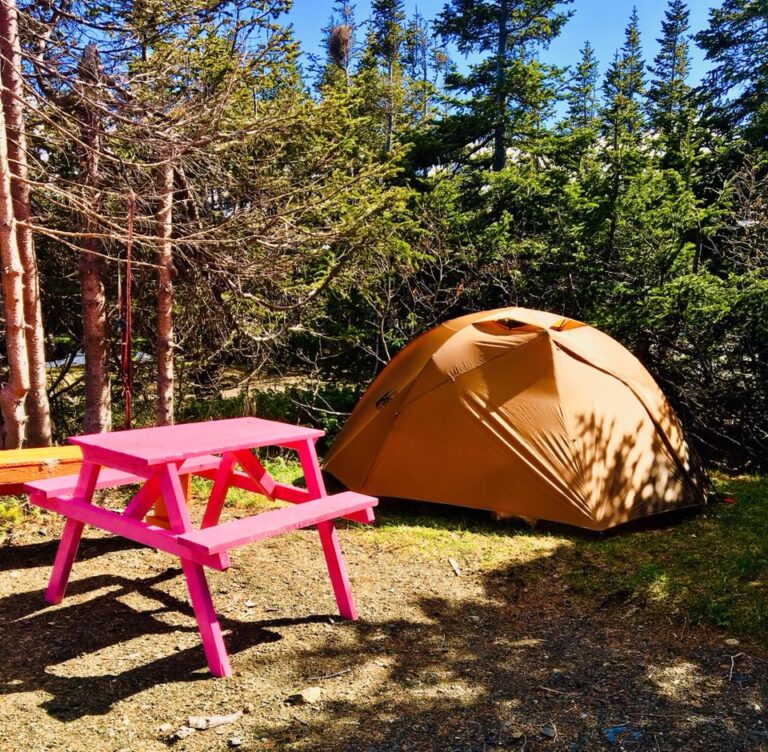
The Best Campgrounds in Newfoundland and Labrador
A Curated Tent & RV Guide by Region Camping is one of the best ways to experience Newfoundland and Labrador. You can sleep beside a sandy beach in Burgeo, camp under tuckamore near Gros Morne, stay steps from whale and iceberg country on the Northern Peninsula, or use a full-service RV park as a comfortable…
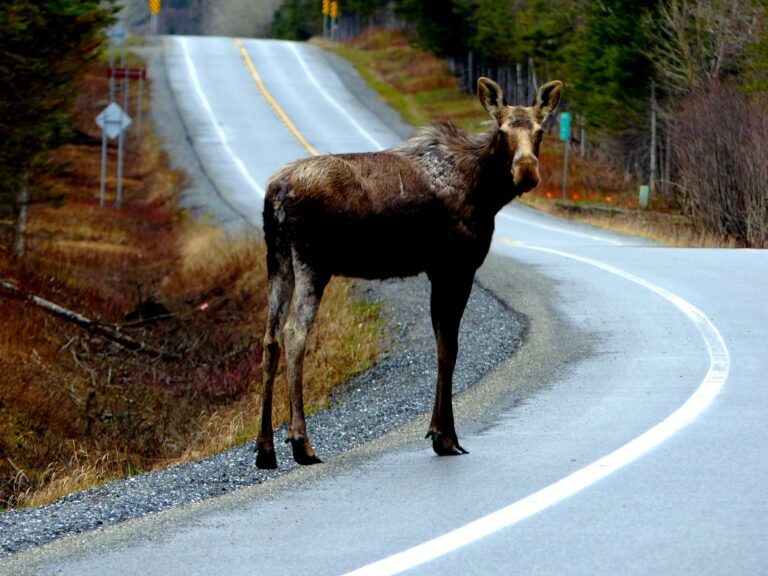
5 Best Places for Wildlife Experiences in Canada
Canada is a dream destination for nature lovers who enjoy wildlife watching and seeing animals in the wild. From coastal rainforests to the Rocky Mountains, to prairie grasslands to Arctic tundra, every region offers a different way to watch wildlife—ethically, safely and all year round. This guide includes what we consider the 5 best places…

Camping in Newfoundland’s Off Season: Where to Stay Beyond the Summer Rush
If you’ve camped in Newfoundland before, you’ve probably noticed the pattern: most provincial parks open on the May long weekend and close right after Labour Day. For years, that’s defined the “camping season” here. But what about the rest of the year? The truth is, more and more Newfoundlanders — and visiting RVers from around…