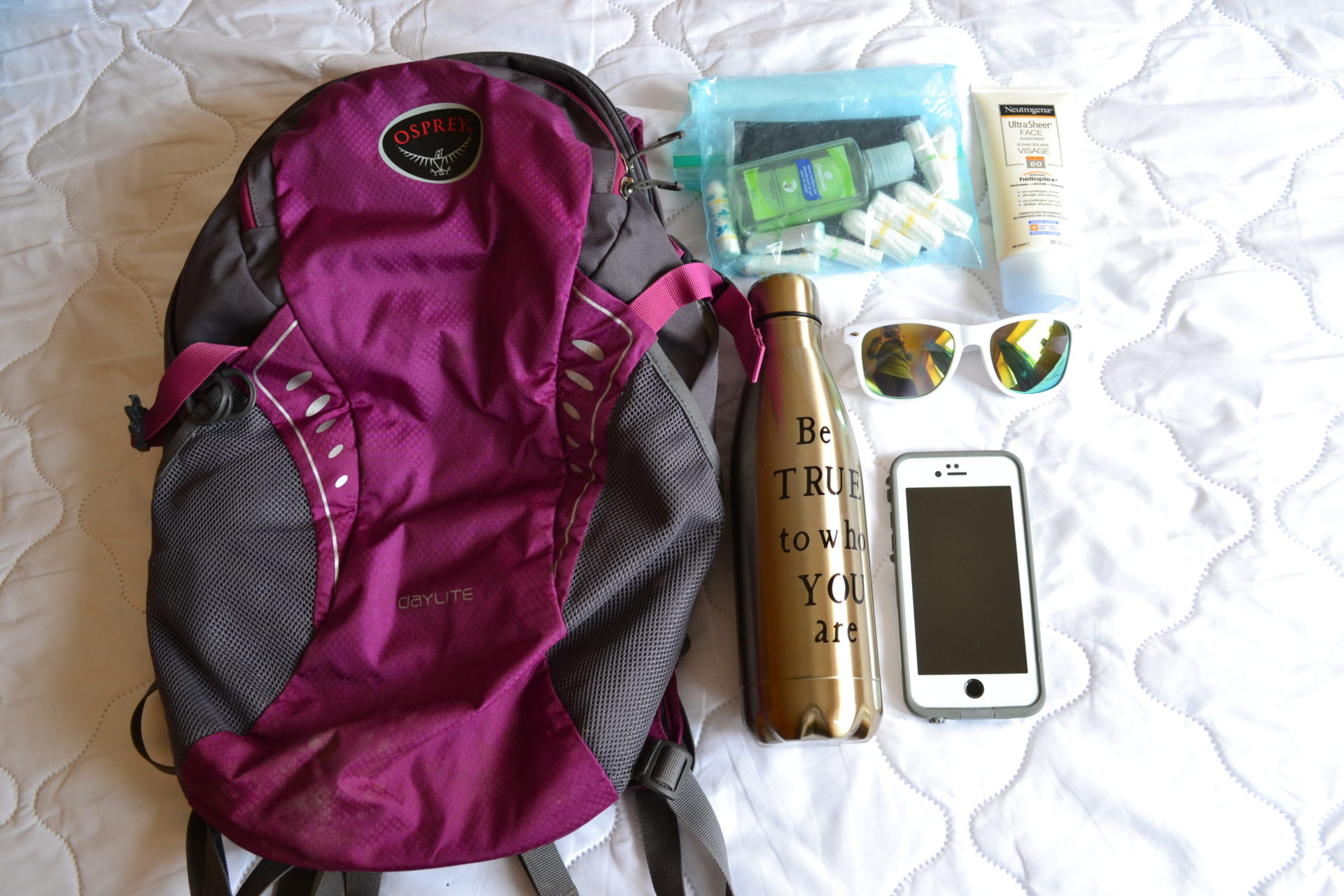
Whether you’re heading out for a quick hour-long stroll or a full-day trek, the difference between a great day and a dangerous situation often comes down to one thing: preparation.
That’s why Leave No Trace’s #1 Principle is Plan Ahead & Prepare. Even if you don’t think you’ll need it, the right gear ensures you’re ready for anything—unexpected weather, getting turned around on the trail, or even spending an unplanned night outdoors.
This checklist is not exhaustive, but these are the items I always carry on every hike. At first glance it may feel like a lot, but trust me: it’s minimal compared to what you’d wish for if something went wrong.
Below you’ll also find affiliate links to gear I personally use and recommend (at no extra cost to you). I don’t list anything here I wouldn’t carry myself.
Below are some affiliate links, for which commissions are paid (at no additional cost to you) these are all products I highly recommend. I won’t put anything on this page that I haven’t verified and/or personally used.
Essentials
1️⃣ Day Pack
Choose a pack that fits the length of your hike and what you need to carry. For most day hikes, 10–30L is ideal.
- Short hikes/minimalist: Osprey Daylite Backpack
- Medium hikes: Osprey Talon Backpack
- Longer or gear-heavy days: Osprey Eja
- Baby/ tot hiking: Osprey Poco
Tip: Try your pack on fully loaded—comfort is everything when you’re wearing it all day.
2️⃣ Water & Food
Dehydration is one of the most common hiking issues. Pack at least 1–2L per person, more in hot weather and more like 2-3 for the dog!
- Water bladders (do not have to remove backpack + hands-free sipping)
- Nalgenes (indestructible classics that are easy to keep clean)
Snacks are just as important: trail mix, energy bars, fruit, jerky. If you’ll be out longer than 3 hours, pack a proper lunch. I always stash a couple of “just in case” high-energy snacks for people and canines.
3️⃣ Sturdy shoes or hiking boots
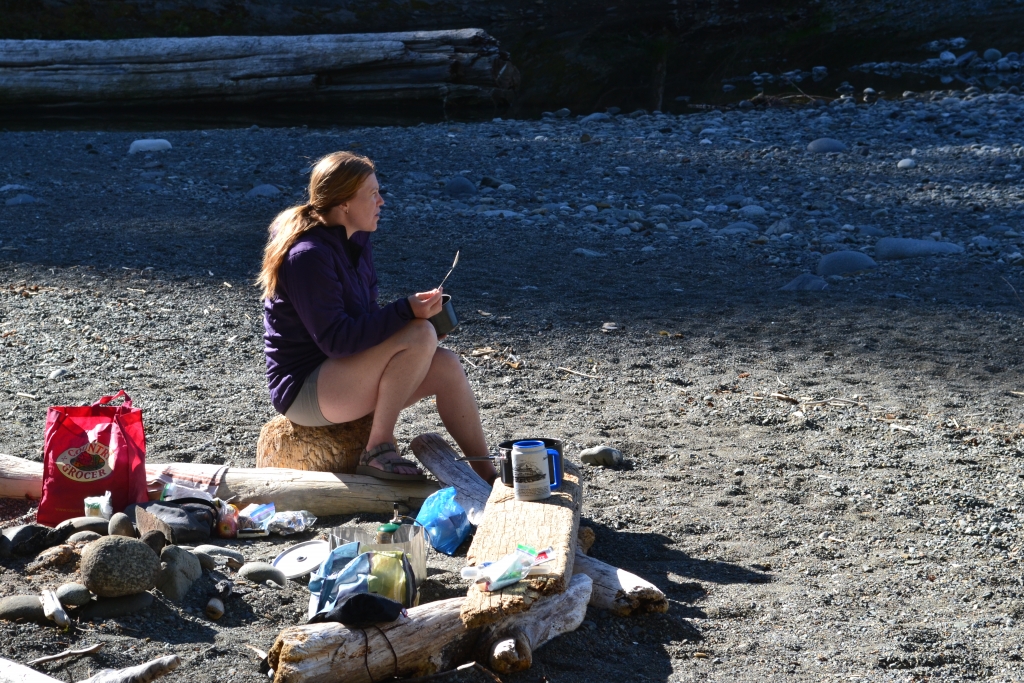
Shoes can make or break a hike – nobody likes blisters or toe bang.
Shoes can truly make or break a hike. You want footwear that feels good after hours on the trail, keeps you stable on uneven terrain, and protects your feet from the elements. Look for:
- Sturdy soles with 3–4mm lugs for solid traction on dirt, rock, and mud.
- A comfortable fit with enough room for your toes (feet swell as you hike).
- Quality hiking socks (merino wool is my favorite) to prevent blisters and wick away moisture.
Waterproof boots are a smart choice for wet or snowy conditions, while breathable mesh uppers can be a lifesaver on hot summer days. Personally, I’m a huge fan of KEEN boots—they strike a nice balance of comfort, durability, and support—but there are many excellent brands worth the investment. A good pair of hiking boots is something you’ll thank yourself for every mile.
Don’t overlook trail running shoes either. For shorter day hikes, especially on well-maintained trails, they can be a lightweight, flexible alternative that still offers great traction and comfort.
➡️ Read my hiking boot reviews here.
4️⃣ Appropriate Clothing
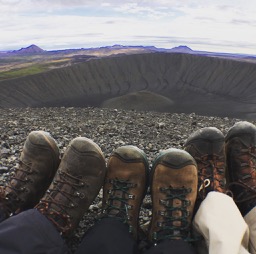
Newfoundland weather changes fast (but this applies to many other places by the ocean or in the mountains too!). Dress in ‘warm when wet’ fabrics such as workout clothes (usually polyester), wool, or nylon.
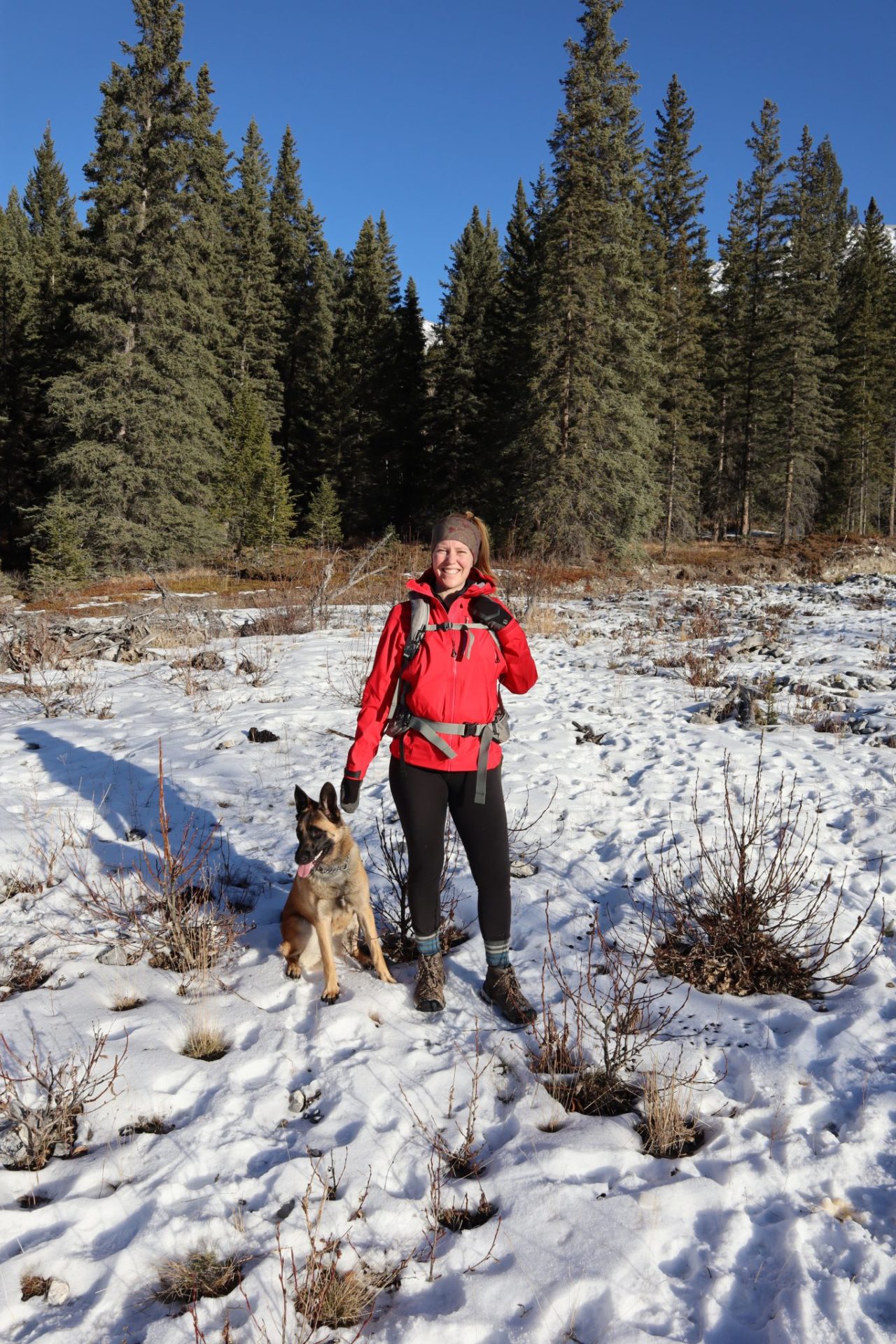
Layering allows you to put on or take off items as you warm up or cool down. I prefer to wear a bra+tank top, then a light merino long sleeve on top and either nylon shorts or hiking pants. Add my merino hiking socks, and you’ve got an outfit!
Always carry:
- A dry, warm layer (wool or fleece sweater or down/synthetic filled jacket)
- Wind/waterproof shell (aka a breathable rain jacket, and ideally pants too)
- Warm hat or headband and gloves, even in summer in alpine areas or near the coast.
- Sunhat and sunglasses to protect your eyes and face from the sun.
5️⃣ Flashlight/headlamp
With extra batteries.
6️⃣ Lighter & Firestarter
Dryer lint, or other easy to light materials in waterproof container/bag.
7️⃣ Pocket Knife
Useful in so many ways! A small knife takes no space but can be a huge asset.
8️⃣ Whistle & Communication Device
A simple yet very effective way to
➡️ Fox 40’s are the best. Fox 40 Pearl Pealess Whistle – Buy Here
➡️ Stainless steel whistle will last forever! Buy here.
You should also carry a cell phone, SPOT, Garmin InReach or Satellite phone, depending on your remoteness so you will be able to call for help if the need arises.
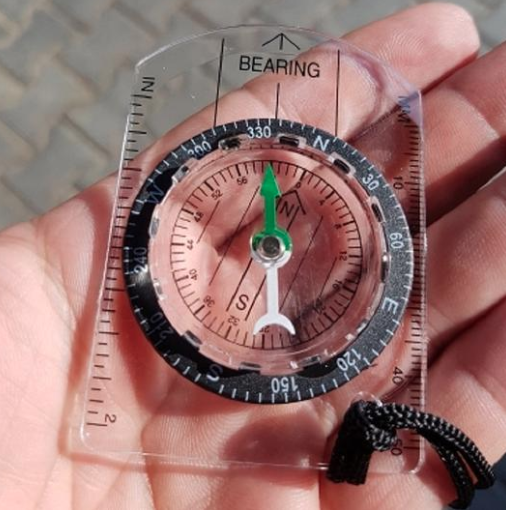
9️⃣ Map and Compass
It’s important to stay found! Get a good topographical map of the local area. Perhaps bring a GPS if you have one and are familiar with its use.
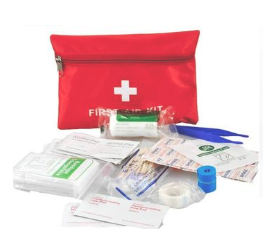
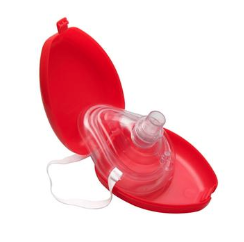
🔟 First Aid Kit
Size depends on the number of people in your group. Be familiar with how to use each item in your kit.
Optional Items
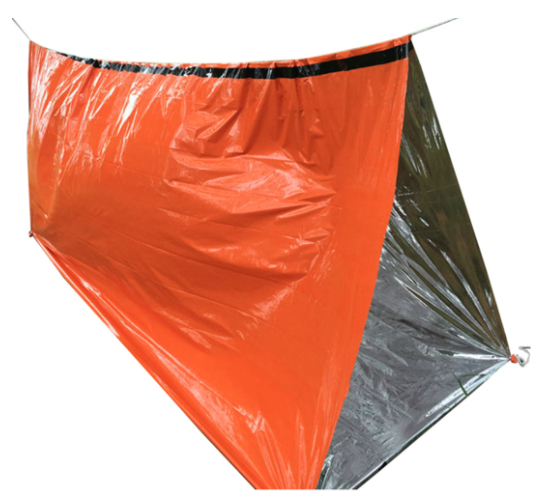
Tarp, Rope or Emergency Shelter
An emergency shelter can keep you warm and dry in any situation, especially if you spend an unplanned night in the woods.
Gaiters
A simple upgrade to take any low cut boot or shoe into a snow-proof, dirt-proof adventure boot!
Hiking Poles
Reduce the impact on lower joints as well as add upper body cardio to your hike!
Sunscreen and bug repellent
Protect your skin from UV and black flies!
Binoculars
Helpful for wildlife viewing or route scouting.
Camera
Capture the experience and share with us!
What does your Day Hike Checklist include?
Anything you would add?
Comment below!
Recommended Reads
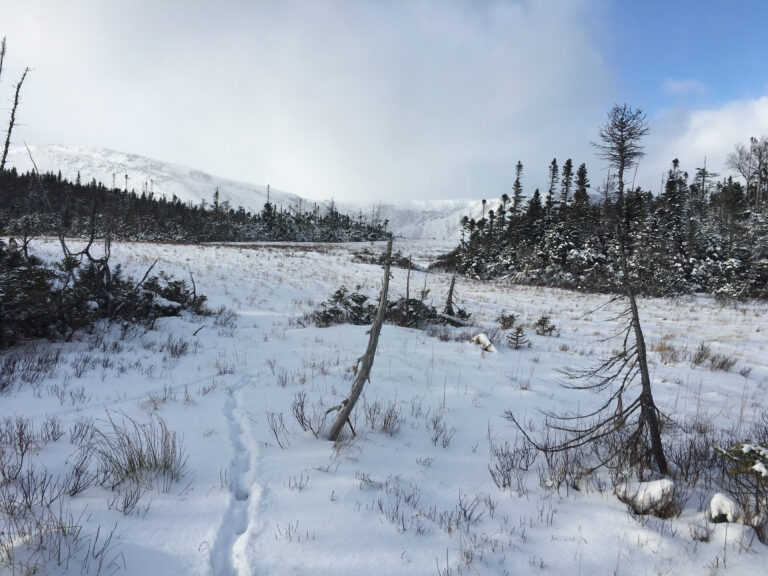
The Ultimate Guide to Snowshoeing in Newfoundland
Winter in Newfoundland isn’t subtle. It’s snowy, it’s windy, it’s occasionally sideways, and it has absolutely no interest in your plans. But honestly… that’s part of the charm. Because once the island puts on its winter coat, you’ve got two choices: stay inside watching the storm do its thing, or lean into it and make…
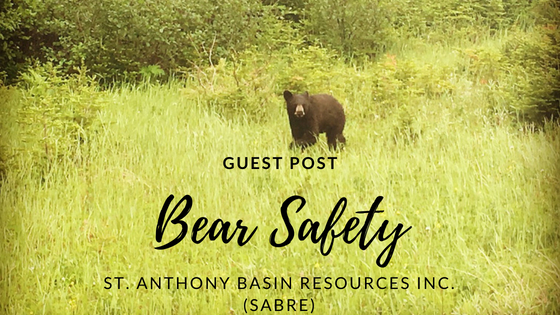
Bear Safety in Newfoundland
Bear Safety is not a very active topic in Newfoundland. After living and playing here for over 10 years, I have yet to hear more than 1 story of an encounter that was bad. And fingers crossed, I won’t hear another bad story for another 10 years! But those stats do not help us or…
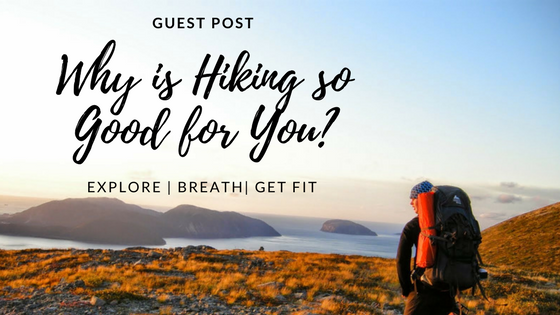
23 Hiking Benefits
Hiking has plenty of extrinsic benefits like great views, fresh air, sounds of nature and conquering the summit. But the BIG why is hiking so good for you comes from the intrinsic rewards we get while we are out there. We should aim to hike because it is personally rewarding, serves us and makes us…