Canada is a dream destination for nature lovers who enjoy wildlife watching and seeing animals in the wild. From coastal rainforests to the Rocky Mountains, to prairie grasslands to Arctic tundra, every region offers a different way to watch wildlife—ethically, safely and all year round.
This guide includes what we consider the 5 best places to see wildlife in Canada, and expands each destination with the top wildlife experiences, when to go, how to do it, and responsible travel tips.
Before you go
- Book licensed, conservation‑minded operators and Indigenous‑led experiences where possible.
- Give animals space; use binoculars/telephoto lenses; never feed wildlife.
- Many experiences are seasonal—check current conditions and regulations.
Ads are how we keep our blog free for you to enjoy. We also use affiliate links; if you make a purchase through them, we may receive a small commission at no cost to you.
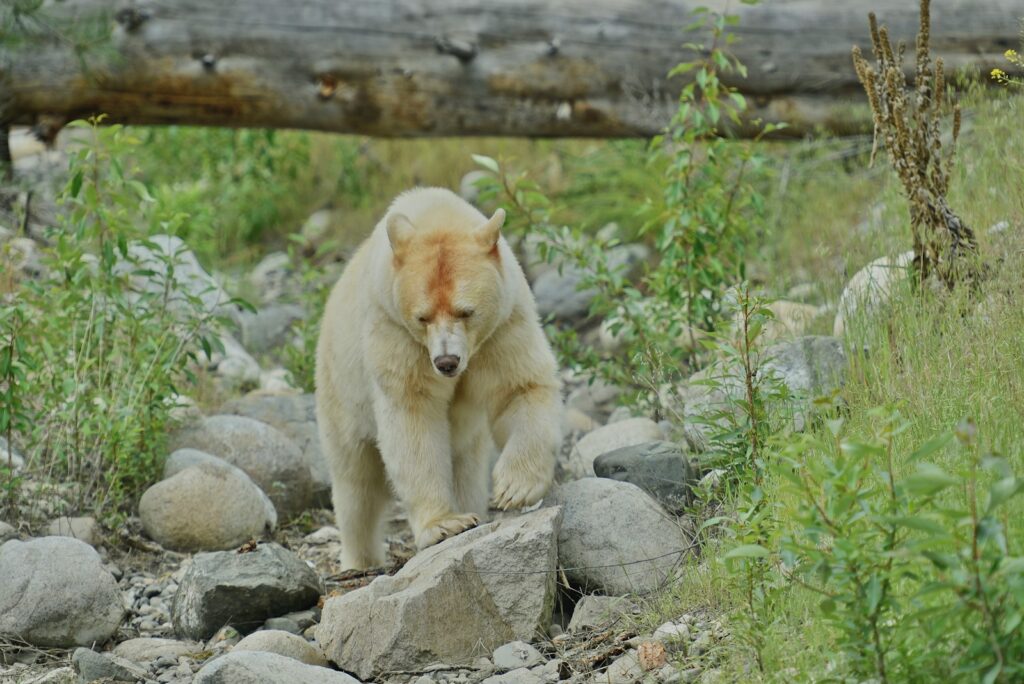
#1. Whales, Wolves and White Bears in British Columbia
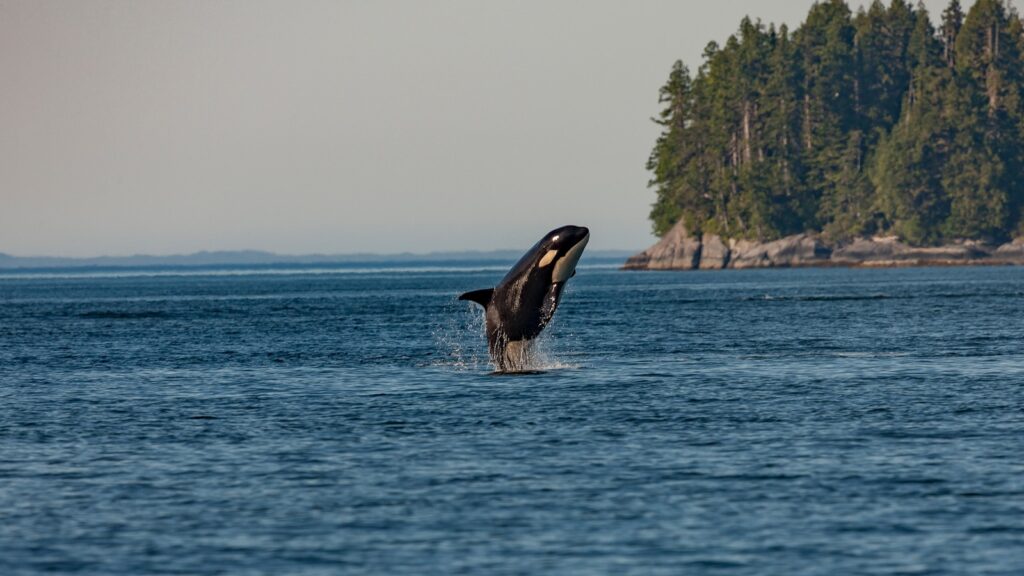
British Columbia is one of Canada’s most rewarding provinces for wildlife experiences because of it’s diverse ecosystems. A living mosaic of ancient cedar–hemlock rainforest, glacier‑carved fjords, dry plateaus and deserts, and mountainous landscapes—you can easily watch black and grizzly bears pad along mossy banks during the salmon run, coastal wolves stitch fresh tracks into the tideline, humpbacks and killer whales surface off wave‑washed headlands, and rocky mountain sheep scale mountainsides.
For travellers seeking a true wildlife bucket-list adventure, hiking the West Coast Trail delivers. This is a deep wilderness, multi-day journey filled with raw nature – black bears, intertidal sea life, sea wolf tracks in the sand, sea lions and maybe even orca whales off shore. An epic wildlife experience inside one of Canada’s National Parks.
Top Wildlife Experiences in British Columbia
- Search for the elusive spirit bear (Kermode bear) with Indigenous guides in the Great Bear Rainforest during the salmon run.
- Small‑boat grizzly viewing in the Khutzeymateen Grizzly Sanctuary (May–June) or on coastal salmon rivers (Aug–Oct).
- Boat or kayak with humpbacks and orcas in Johnstone Strait & the Broughton Archipelago (Jul–Sep).
- Watch for sea wolves, black bears, sea lions and orcas along the coast as you hike the West Coast Trail.
When to Go
- September–October for peak salmon runs and best chance of bear activity.
- Late spring–summer offers the best humpback/orca viewing along the coast as well as chances to see sea wolves, black bears, sea lions and eagles along the west coast trail.
How to Do It
- Bear viewing is best enjoyed via a guided tour at a multi‑day lodge or expedition boat with small groups and local Gitga’at, Kitasoo/Xai’xais or other Nation partner-guides.
- Sea kayaking with whales is best with a guided tour. We recommend North Coast Kayaking in Telegraph Cove, Vancouver Island and sign up for a multiday trip. Pro tip – ask for Bree!
- Book your West Coast Trail hike via Parks Canada.
Trip Notes
- Weather is wet on the BC coast; pack breathable rain gear, rubber boots, and dry bags.
- Wildlife is 100% wild—sightings are never guaranteed; guides optimize tides and timing.
- Follow guide spacing protocols at river corridors.
- Keep voices low; avoid perfume/food smells; no drones in sensitive areas.
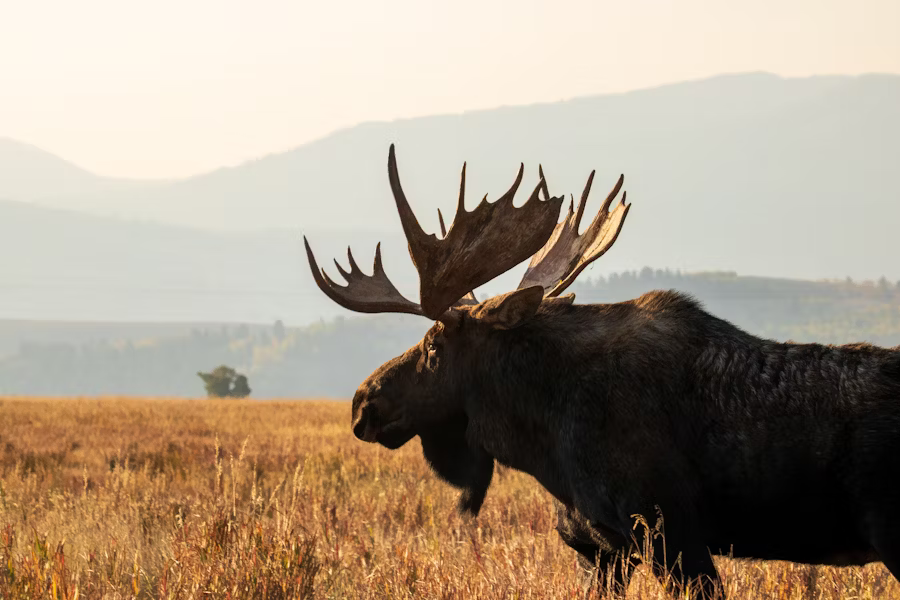
#2. Lakes, Taiga, and Big‑Country Valleys in the Yukon
The Yukon is vast, wild, and humbling in its scale—a place where mountain ranges march endlessly toward the horizon, braided rivers carve through broad valleys, and midnight sun glints on mirror‑still lakes. Here, the pulse of wilderness is strong and unfiltered. Moose wade chest‑deep in misty shallows, antlers dripping with water; grizzlies turn over river stones to snatch salmon; caribou sweep across the tundra in great migrations that seem timeless. Overhead, bald eagles trace wide circles above spruce forests while the haunting call of a loon carries across glassy water. It’s a landscape that invites quiet awe and rewards those willing to slow down and move gently through it, where each encounter—no matter how fleeting—feels like a glimpse into something ancient and enduring.
Top Wildlife Experiences in the Yukon
- Dempster Highway wildlife road trip for seasonal caribou, red fox, grizzly, and soaring raptors across open tundra (Aug–Sep best).
- Kluane National Park ridge hikes or flightseeing to spot Dall sheep and mountain goats on high slopes (late Jun–Sep).
- For avid hunters, try the Yukon moose hunts, which happen during the rut season from early September to October. This is a heavily regulated experience with strict rules and guidelines to keep the ecosystem in balance. But even if you are not a hunter, hunting outfits are great places for wildlife photographers, allowing you to observe wild animals like the Alaskan moose up close.
When to Go See Wildlife in the Yukon
- From Late Aug–Oct moose are in the rut and has good visibility as leaves drop.
- June–July offers long light for beavers, loons, and eagles.
How to Do It
- Half‑day to multi‑day guided trips are best; photo hides with local naturalists get you close to the action.
- Self‑drive pull‑outs can work, but guides reduce disturbance and improve safety.
Trip Notes
- Bring insect head net in June/July; thermal layers for frosty autumn mornings.
- Maintain long distances from animals; use 400mm+ lens or binoculars.
- Never imitate animal calls without your guide’s direction.
- Yield space completely if cows or calves are present.
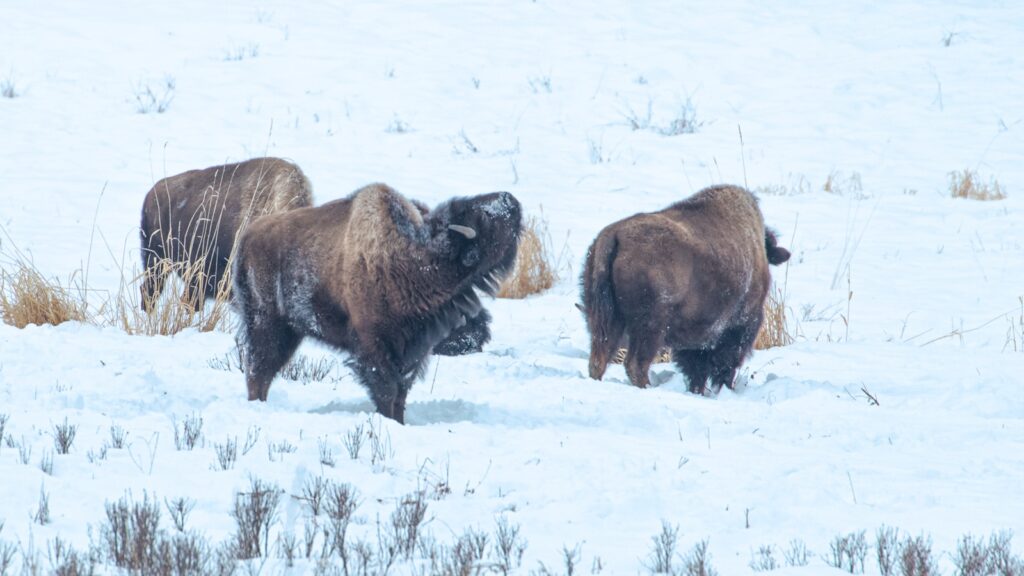
#3. Bison, Muskox & Big‑Sky Country in the Northwest Territories
Endless horizons, immense lakes, and a sky that seems to stretch forever—the Northwest Territories embody the raw, untamed spirit of the Canadian North. This is a place where silence reigns and the land itself feels alive, shaped by ancient glaciers and carved by rivers that seem to flow without end. Beneath the midnight sun or shimmering aurora, visitors find themselves surrounded by a scale of wilderness that humbles even seasoned adventurers.
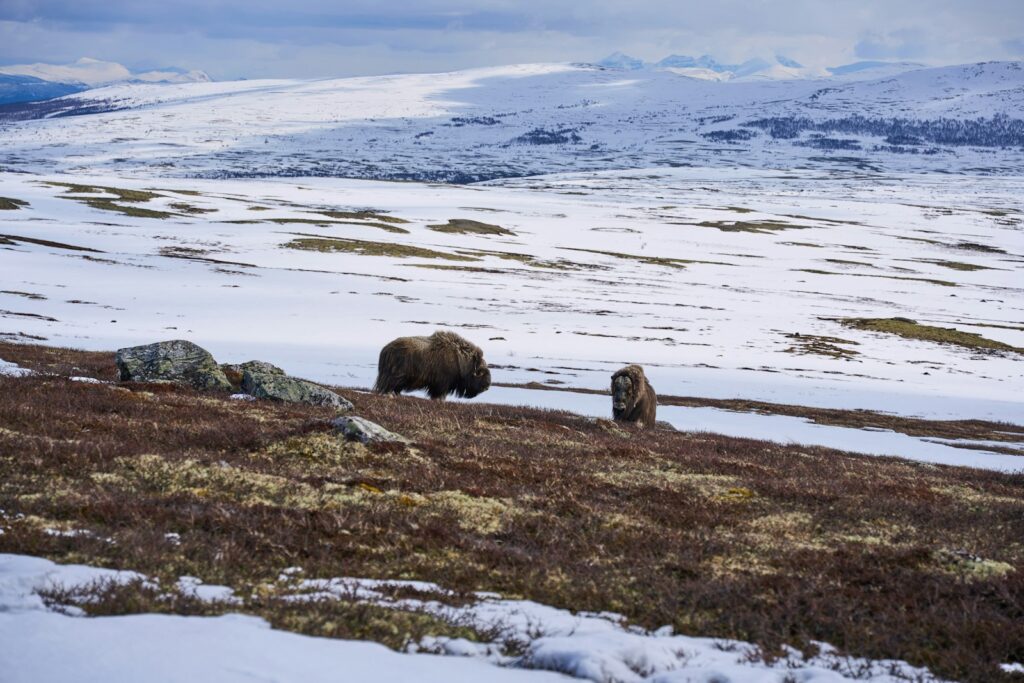
Vast herds of wood bison (buffalo) graze along the highways, muskox roam the tundra with prehistoric calm, and golden eagles ride the thermals above the boreal forest. The sheer remoteness of the Northwest Territories means you often have these wild encounters to yourself, whether you’re casting for lake trout on a glassy expanse of water, driving through the Mackenzie Bison Sanctuary, or standing under a night sky blazing with northern lights. For travelers seeking solitude, grandeur, and a deep sense of connection to the natural world, this is one of Canada’s last true frontiers.
Top Wildlife Experiences in the Northwest Territories
- See free‑ranging wood bison (buffalo) along Highway 3 between Fort Providence and Behchokǫ̀, often with calves in May–July.
- Guided tundra outings near Inuvik/Tuktoyaktuk to view muskox and Arctic fox (Aug–Sep).
- Boating on Great Slave Lake and Great Bear Lake for the legendary lake trout fishing or birding for loons, terns, and bald eagles (Aug–Sep).
When to Go
- Late spring–summer for frequent roadside grazing and new calves.
- August–April nights for aurora (pair with daytime wildlife viewing).
How to Do It
- Self‑drive from Yellowknife with abundant pull‑outs; or join guided day trips focusing on safety, behavior, and photography.
Trip Notes
- Bison are huge and fast—do not approach. Remain in your vehicle; photograph from a safe shoulder or road side pullout.
- Never stop in tall grass during fire season; keep vehicles fully off‑lane.
- Pack-out ethic on remote roads; respect Indigenous lands and signage.
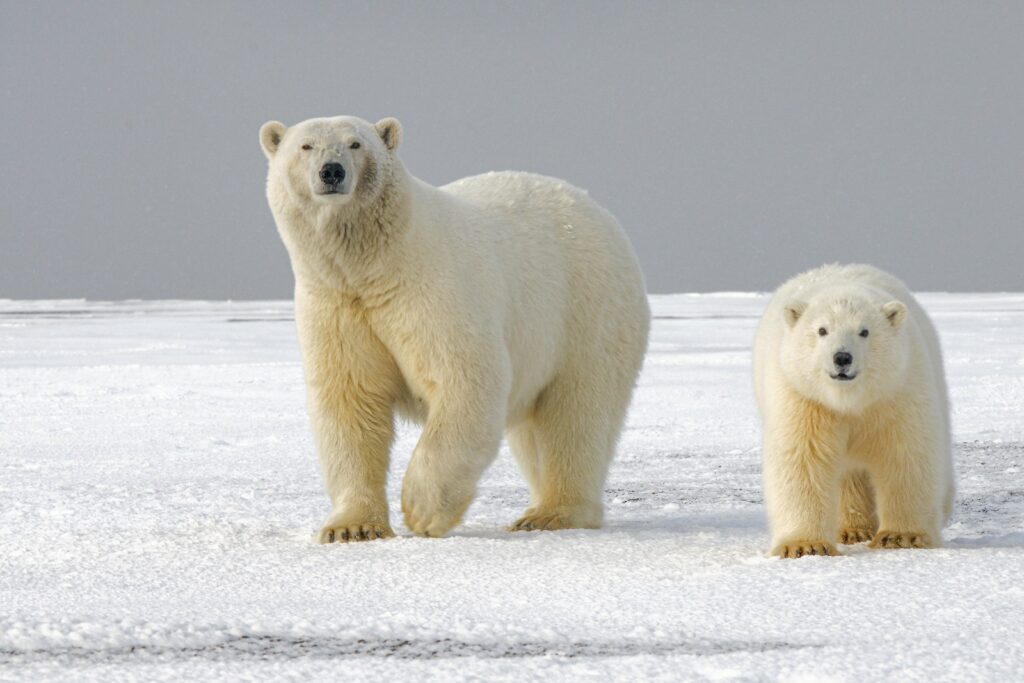
#4. Explore Churchill on Hudson Bay in Manitoba
Where the dense boreal forest gives way to the treeless Arctic coast, this remote edge of Manitoba becomes a living meeting point of land, sea, and ice. Along the tidal flats and frozen bays, polar bears pace the shoreline waiting for the ice to return, pods of playful belugas drift through the mouth of the Churchill River, and vast flocks of migratory birds fill the summer sky. It’s a place where every horizon seems alive with movement, and the pulse of the North is felt in the crisp air and the sound of distant waves breaking against the tundra. The town of Churchill in Manitoba is the “Polar Bear Capital of the World”, where you see bears roaming in their natural Arctic habitat.
Top Wildlife Experiences in Manitoba
- Tundra vehicle (buggy) day to observe polar bears in October–November as they gather near the coast waiting for sea ice to form.
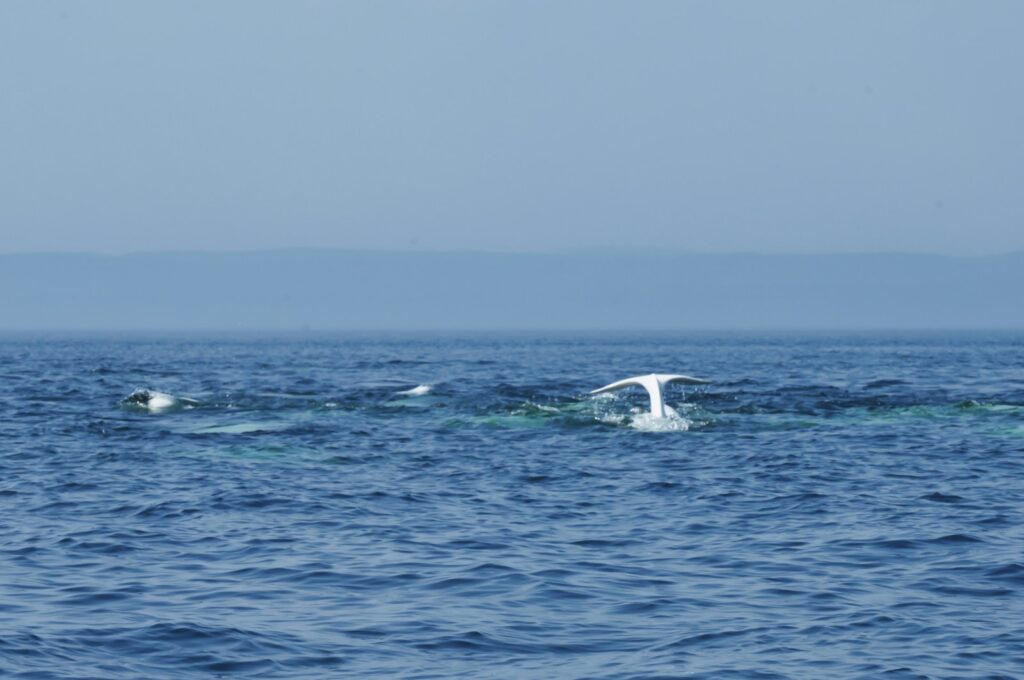
- Kayak or Zodiac to have a beluga whale watching experience. They are playful and curious, so you’ll often spot them coming close to boats to seek human interactions. Beluga’s are in the Churchill River estuary (Jul–Aug).
- Pair late‑fall aurora nights with daytime guided wildlife and cultural programs (Oct–Nov).
When to Go
- Oct–Nov for polar bears.
- July–August for thousands of beluga whales in the Churchill River estuary (excellent for boat or kayak).
- June for peak bird migration.
How to Do It
- Book well in advance; capacity is limited.
- Pair bear viewing with cultural programs and Parks Canada interpretation.
Trip Notes
- Cold, windy coast—bring insulated boots, windproof layers, and hand warmers.
- Telephoto + bean bag window rests are handy in vehicles.
- Strict no‑food policies outdoors; follow local bear‑smart rules.
- Kayak belugas with certified guides; never pursue or circle whales.
#5. Whales, Seabirds & Icebergs in Newfoundland & Labrador
Atlantic drama unfolds here: towering cliffs echo with the cries of hundreds of thousands of seabirds, their wings painting the sky in motion. Icebergs, ancient and luminous, drift majestically along the coast like floating cathedrals of glass, glowing blue and white against the grey sea.
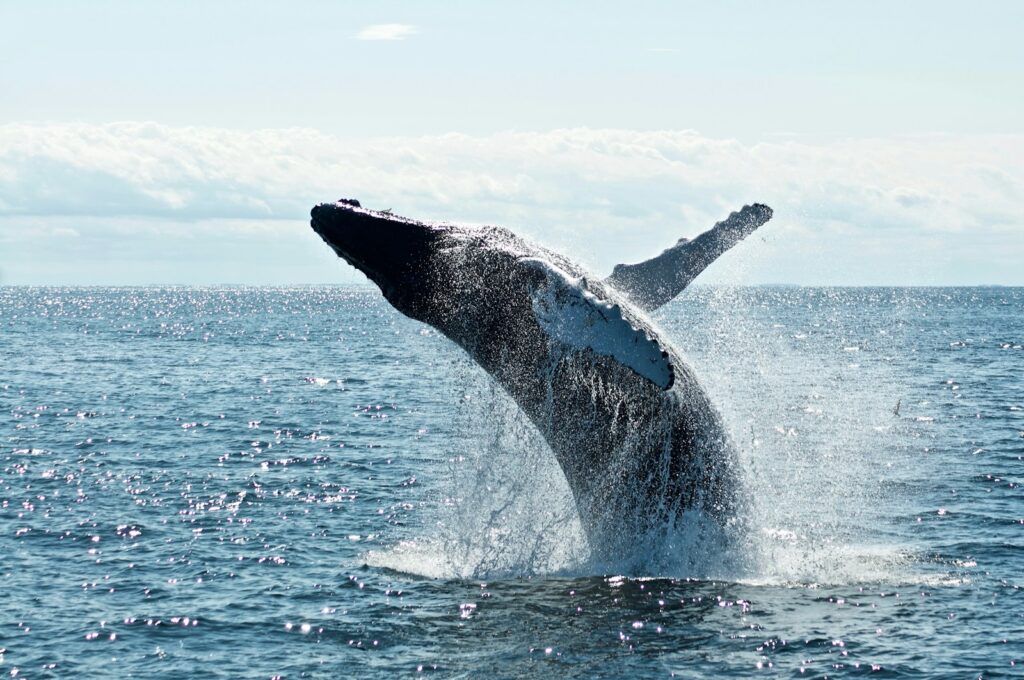
Below, the world’s most acrobatic humpback whales breach and tail‑slap in the glittering bays, their misty exhalations hanging in the cold salt air. The entire coastline feels alive—wild, raw, and endlessly changing with the tides and the light.
Top Wildlife Experiences in Newfoundland & Labrador
- Boat into the Witless Bay Ecological Reserve (June–August) to see puffins and tens of thousands of seabirds—and often humpbacks feeding nearby.
- Stand metres from a roaring gannet colony at Cape St. Mary’s Ecological Reserve (May–Sep).
- See humpback whales in St.Anthony by boat or trails along Fishing Point. You can book boat tours to get close to icebergs, and you are likely to spot humpbacks swimming around, too.
When to Go
- Whales: typically June–August (humpbacks peak mid‑summer).
- Seabirds: May–August nesting season.
- Icebergs: April–June (variable by year and wind).
How to Do It
- Small‑boat tours with naturalists; coastal hikes for land‑based viewing; sea‑kayak outings for experienced paddlers with guides.
Trip Notes
- Weather shifts fast; dress in warm, windproof layers—even in July.
- Seas can be choppy; motion‑sickness tablets may help on small boats.
- Keep distance from feeding whales and nesting birds; obey skipper instructions.
- Stay behind rope lines at cliff colonies (loose turf and nesting stress).
Planning Essentials
- Optics: 8x–10x binoculars; 300–600mm lenses for respectful distances. ➡️ How to Choose Compact Binoculars
- Clothing: Layering system everywhere; waterproof shells on coasts; bug protection inland June–July.
- Navigation & Safety: Be mindful of tides along the coast; always do bear‑smart practices across the West & North; practice road‑shoulder safety in NWT/MB.
- Ethics: Observe, don’t interact. Your best photos come from patience—not proximity.
From the temperate rainforests of British Columbia to the iceberg-lined coasts of Newfoundland, Canada’s wild spaces offer some of the most moving encounters with nature in North America. Each region tells its own story—of predator and prey, migration and renewal, vast silence and sudden movement. Whether you’re standing quietly as a spirit bear slips through the trees, paddling toward a bull moose in the mist, or watching the northern lights shimmer above polar bear country, these experiences remind us that wilderness is not a place apart but a living network we’re lucky to witness. Travel here with humility, curiosity, and care, and you’ll carry home far more than photographs—you’ll bring back a deeper connection to the untamed pulse of the natural world.
Recommended Reads
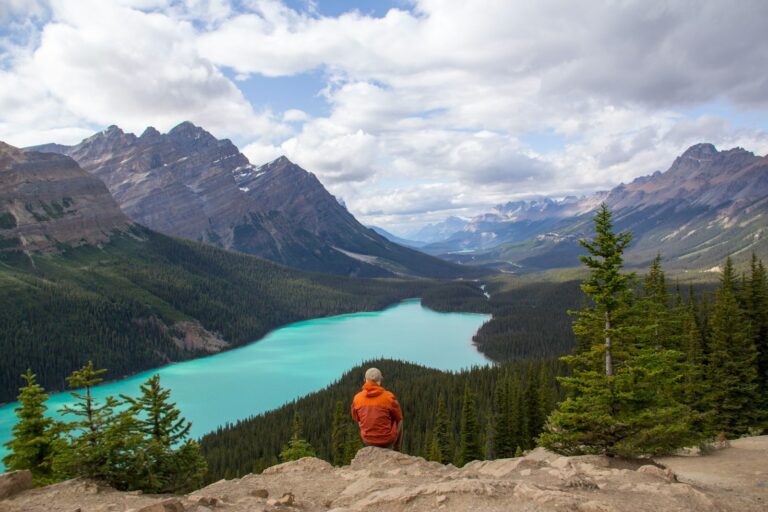
Add a Micro-Adventure to Your Weekend: 5 Easy Escapes Close to Canadian Cities
Tired of the same café meetups and lazy weekends? You don’t need a plane ticket or time off to do something extraordinary—you just need a micro-adventure. The concept, made popular by adventurer Alastair Humphreys, is all about short, simple, low-cost trips that break your routine and help you reconnect with the world just outside your…
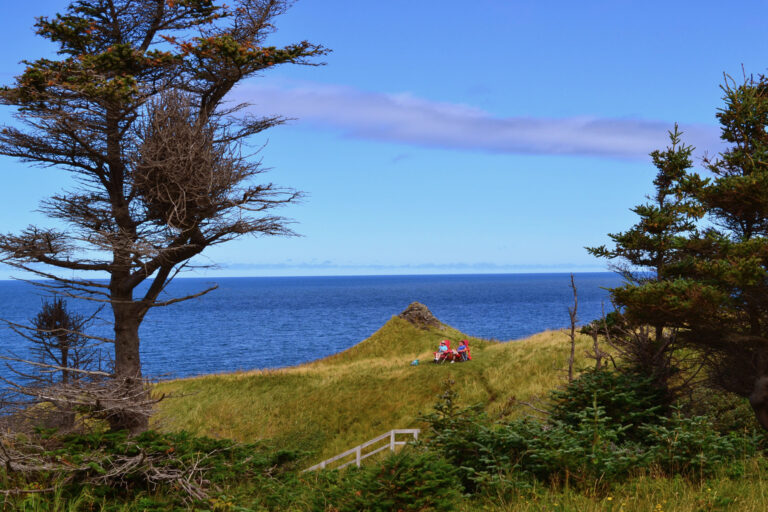
Best Hikes in Gros Morne National Park
Gros Morne National Park, nestled on Newfoundland’s west coast, is a haven for hikers. Whether you’re in search of gentle boardwalks, rugged mountain climbs, or coastal views, the Gros Morne hiking trails offer some of the most varied and awe-inspiring landscapes in Canada. This blog showcases the top 4-5 trails we consider the Best Hikes…
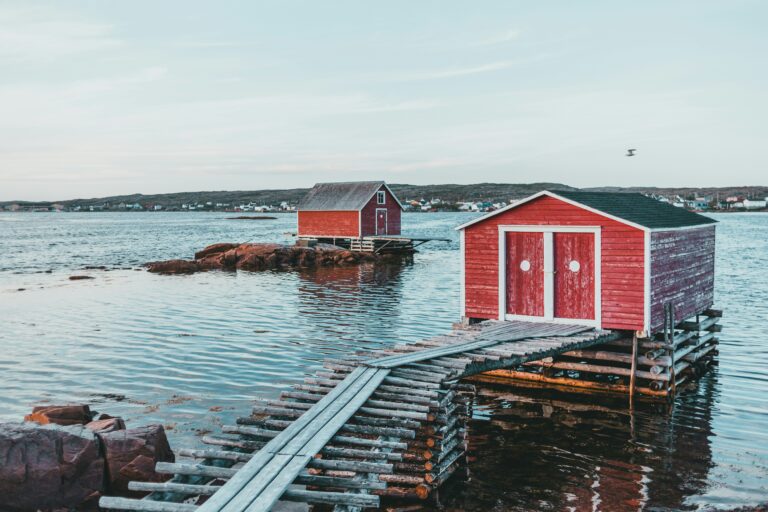
The Ultimate Guide to Getting to Newfoundland
Newfoundland and Labrador, Canada’s easternmost province, offers travelers a unique blend of rugged natural beauty, rich history, and vibrant culture. Planning a trip to this captivating destination involves understanding the various transportation options available. Here’s a comprehensive guide to help you navigate your journey to Newfoundland. Ads are how we keep our blog free for…